 Many people are unaware that they’re doing it. You think you’re being supportive, loving, or simply a good partner or friend, but what you may actually be doing is regulating everyone else’s emotions. You walk into a room and scan faces for mood changes. We soften our tone, over-explain ourselves, or edit our words to prevent someone else from spiraling. If someone you care about is anxious, angry, or upset, do you feel it in your body as if it were your own emergency? If so, you may not just be caring, you could be over-functioning.
Emotional regulation is essential in healthy relationships, but there’s a difference between supporting someone and carrying their emotional weight. Healthy emotional regulation means each adult manages their own inner state: if I’m upset, I regulate myself; if you’re upset, you regulate yourself. Support allows each person to experience discomfort and grow, whereas over-functioning, constantly calming, fixing, or absorbing others’ emotions, prevents growth and creates dependency. Relationship physics is at play here: the more you regulate for someone else, the less they learn to regulate themselves. Over time, this pattern can become invisible; you just know you feel exhausted, drained, and emotionally worn out.
There are signs you may be over-functioning. Hypervigilance is common; you notice micro-expressions, subtle tone changes, and shifts in mood immediately. The guilt reflex makes you apologize or over-explain even when you’ve done nothing wrong. Identity suppression shows up when you shrink your reactions, avoid topics, or hold back your opinions to prevent someone else’s emotional reaction. Emotional exhaustion leaves you replaying conversations in your mind, worrying, and trying to prevent future conflict, all forms of emotional labor that accumulate over time.
 These patterns often develop in childhood. Growing up with emotionally volatile caregivers, narcissistic parents, or family members with chronic anxiety can teach us that managing the emotional environment keeps us safe. We become peacemakers, stabilizers, and over-functioners out of survival. But when these survival skills carry into adult relationships, love becomes confused with management. We end up parentifying partners, friends, or spouses, calming them, soothing them, and preventing conflict, as if that’s what keeps us loved and secure.
When your over-functioning meets someone else’s under-functioning, especially in relationships with emotional dysregulation, the dynamic intensifies. Support becomes enabling. Fixing, smoothing over, or absorbing consequences prevents the other person from experiencing reality and taking responsibility. Enabling feels like love when you’re trauma-bonded, but it keeps both people stuck.
Breaking the pattern starts with awareness. Pause before fixing. Ask yourself: Did I cause this situation, or am I just reacting to discomfort? Accept silence; people are allowed to experience their feelings without you taking them on. Stop over-explaining yourself. Regulate your own nervous system. Most importantly, separate love from rescue. Love supports growth, but rescuing prevents it. You are not responsible for someone else’s emotional stability. You can be compassionate and supportive without carrying their stress, guilt, or anxiety.
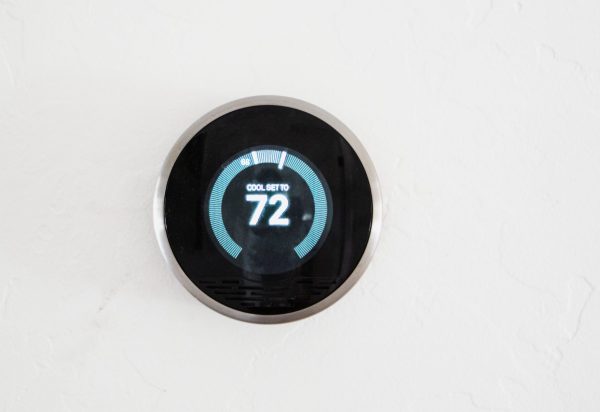 It’s time to stop being the emotional thermostat. Walking on eggshells, constantly adjusting to keep everyone else comfortable, is exhausting and unsustainable. Freedom comes when you stop carrying what isn’t yours, when you let others manage themselves, and when you focus on your own growth. Reflect: Who taught you that you’re responsible for everyone else’s emotions? Where did this pattern start, and how has it shaped your relationships? Recognizing this is the first step to reclaiming your energy and creating healthier, more balanced connections.
You were never meant to be someone else’s emotional thermostat. You were meant to be a partner, a friend, a spouse, someone who can love and support without absorbing all the emotional weight. By identifying these patterns, setting boundaries, and stepping back from over-functioning, you reclaim your power, your peace, and your life. Freedom begins when you stop carrying what never belonged to you.
Listen to the entire Podcast Here:
Spotify:https://open.spotify.com/episode/16nhShKKWbKfOec2h8aPf6?si=pPSM7BI0QD2-5OaAKGn12g
Apple: https://podcasts.apple.com/us/podcast/the-ashley-berges-show/id839257367?i=1000750309747