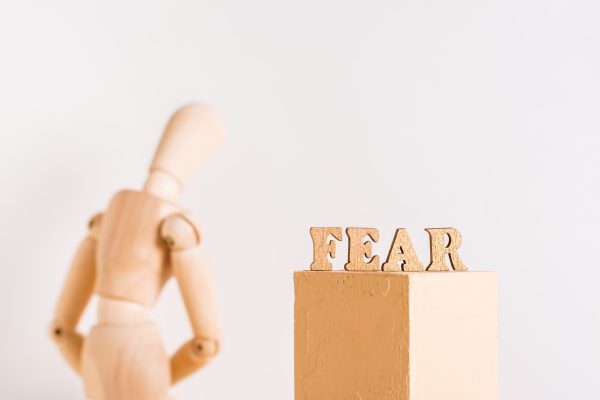
Many unhealthy relationships have one thing in common: fear.
Not love. No connection. Not compatible. Fear.
Fear has a way of convincing us to accept relationships that we would otherwise walk away from. The fear of being alone. The fear of never getting married. The fear of not having children. The fear of growing old by ourselves. The fear of not having someone to take care of us. These fears can become so overwhelming that they begin making decisions for us, often leading us into relationships that are not healthy, fulfilling, or aligned with who we truly are.
The problem with fear is that the more attention we give it, the larger it becomes. Just like the news cycle can keep replaying a story until it feels bigger than life itself, fear grows when we continually focus on it. Before long, it starts influencing our choices, convincing us that we must act now before it’s too late. Unfortunately, when fear is driving the decision-making process, we often overlook things that would otherwise be obvious.
This is especially true in relationships. Many people enter relationships because they don’t want to be alone. In the beginning, everything feels perfect. The person is attentive, affectionate, and seemingly invested. They call, text, and make you feel important. It feels like you’ve finally found what you’ve been looking for. But over time, the dynamic begins to change. The attention fades, the effort decreases, and the personality you fell in love with starts to disappear.
What many people don’t realize is that the person didn’t suddenly change. More often than not, they were presenting a version of themselves that they knew you wanted to see. At the same time, you were creating your own fantasy about who they were. Together, you built a relationship based on potential rather than reality.
Fear makes us ignore red flags because we don’t want to lose what we think we’ve found. We become attached to the idea of the relationship instead of honestly evaluating the person standing in front of us. We tell ourselves that things will get better, that the old versions of them will come back, or that if we just try harder, everything will work out.
 Another common trap is the desire for family. Many people who grew up feeling lonely, disconnected, or unsupported long for the close-knit family they never had. Sometimes they meet someone with a large family and become more attached to the family dynamic than the actual person they’re dating. The relationship becomes less about compatibility and more about fulfilling an emotional void.
The same thing can happen with the desire to have children. The longing for a family can become so intense that people rush into having children with someone they barely know. This is one of the most important decisions anyone can make, yet fear often causes people to overlook critical warning signs. The person you choose to have a child with can have a profound impact on your life for years, if not decades. That’s why it’s essential to make these decisions from a place of clarity rather than fear.
One of the biggest fears many people carry is the fear of being alone. For some, it began in childhood. For others, it developed after a painful divorce, betrayal, or toxic relationship. Somewhere along the way, they began believing that being alone was the worst possible outcome. As a result, they tolerate unhealthy relationships simply to avoid facing that fear.
But here’s the reality: being in the wrong relationship doesn’t eliminate loneliness. It often magnifies it.
Many people feel far more alone sitting next to someone who doesn’t respect them, appreciate them, or truly care about them than they ever would on their own. The difference is that when you’re alone, you have the opportunity to heal, grow, and reconnect with yourself. When you’re trapped in a toxic relationship, your energy is consumed by managing chaos, conflict, and emotional pain.
I’ve worked with countless clients who spend enormous amounts of time trying to fix someone else. They want the other person to change, to grow up, to take responsibility, or to finally see their value. Yet if they invested even half that energy into themselves, their lives would look completely different.
The truth is that the most important relationship you will ever have is the relationship with yourself. When you know your value, fear loses its power. You stop settling for unhealthy relationships because you’re no longer looking to someone else to validate your worth. You stop chasing people who cannot meet your needs because you recognize that your happiness is not dependent on another person’s approval.
Fear convinces us that we need someone else to complete us. Reality teaches us that we need to know ourselves first.
 The more you understand who you are, the less likely you are to accept relationships that are rooted in fear, manipulation, or desperation. Instead, you begin choosing relationships from a place of confidence, self-awareness, and authenticity.
When you remove fear from the equation, you finally have the opportunity to see people for who they truly are—not who you hope they will become.
Listen to the podcast-
Apple: https://podcasts.apple.com/us/podcast/the-ashley-berges-show/id839257367?i=1000767567839
Spotify: https://open.spotify.com/episode/3s6Qctl1dAzv7YJkJim35q?si=xnt4yRwaRTqKzVl