 If you’ve been dating recently, whether through apps, friends, work, or simply meeting people organically, you’ve probably experienced that feeling of wanting something to work so badly that you overlook the warning signs. Most of us don’t miss red flags because we’re unintelligent. We miss them because we’re hopeful. We want connection, companionship, and the possibility of something real.
The problem is that hope can sometimes make us ignore behavior that deserves a closer look.
One of the biggest mistakes people make is confusing intense attention with genuine love. Love bombing can feel incredible in the beginning. The constant texting, gifts, compliments, future plans, and overwhelming focus on you can create the illusion that you’ve finally found “the one.” But healthy relationships are built on consistency, not intensity. When someone rushes emotional closeness before real trust has been established, it’s worth slowing down and asking why.
Another major red flag is future faking, when someone begins planning your entire life together after only a few dates or weeks. Talking about marriage, children, moving in together, or spending forever together may sound romantic, but true intimacy develops over time. A healthy relationship grows day by day as two people learn who each other really are, not who they hope each other will be.
It is important to pay attention to honesty about the past. Nobody needs to reveal their deepest wounds immediately, but someone who refuses to discuss their family, past relationships, or important life experiences at all may be showing unresolved issues that will eventually affect the relationship. The goal isn’t to interrogate someone; it’s to see whether they can have honest, grounded conversations about their life.
At the same time, people should be careful about sharing everything too quickly. When someone is showering you with attention, it’s easy to feel emotionally safe and reveal deeply personal information before trust has truly been earned. Healthy trust develops through consistency over time, not through a whirlwind of attention during the first few weeks.
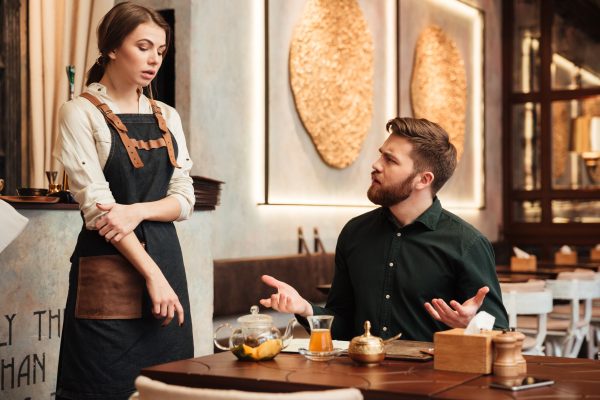 One of the clearest indicators of character is how someone treats other people. Pay attention to the way they speak to waitstaff, customer service workers, family members, and even former partners. If someone constantly talks down to others, criticizes everyone around them, or seems to believe they are above other people, that behavior will eventually be directed toward you as well. Being on the pedestal today does not guarantee you’ll stay there tomorrow.
Be cautious when someone projects their past onto a new relationship. If you continually hear, “My ex did this,” or “You’re just like my ex,” it may be a sign that unresolved pain is being placed on you. Relationships require self-awareness. Without it, people often repeat old patterns while blaming the new partner for wounds that were never healed.
Perhaps the most important lesson from this conversation is this: we often overlook red flags when we feel we need someone. Loneliness, fear, grief, insecurity, or the desire to be chosen can make almost any behavior seem acceptable. We tell ourselves that the attention feels good, that things will improve, or that we can help save the other person. But relationships built on rescue, fear, or desperation rarely become healthy partnerships.
The healthiest relationships happen when two people want each other, not need each other. When you feel grounded in your own life, you’re far less likely to ignore controlling behavior, manipulation, jealousy, or inconsistency simply because you’re afraid of being alone.
 If you’re dating right now, remember this: red flags are information, not invitations to prove your worth. You don’t have to convince someone to treat you well. You don’t have to earn basic respect. And you don’t have to stay in a situation that repeatedly shows you who the person truly is.
The goal isn’t perfection. The goal is awareness.
When we stop sweeping red flags under the rug and start paying attention to patterns, we allow ourselves to build relationships that are healthier, more honest, and far more sustainable in the long run.
Listen to the entire podcast here:
Spotify: https://open.spotify.com/episode/54o3hrwxqJ3Lp5kCKWQoDy?si=1Pa_nZpsQZ-neJ31wWfgeQ
Apple: https://podcasts.apple.com/us/podcast/the-ashley-berges-show/id839257367?i=1000775854548